


Welcome, Sandbox friends.
After some time off from Future Proof and South Beach, we are back and ready to discuss the latest market dynamics !
Today’s Daily discusses:
$100 oil
Let’s dig in.
Blake
Markets in review
EQUITIES: Nasdaq 100 +1.13% | S&P 500 +1.01% | Russell 2000 +0.94% | Dow +0.83%
FIXED INCOME: Barclays Agg Bond +0.39% | High Yield +0.32% | 2yr UST 3.673% | 10yr UST 4.222%
COMMODITIES: Brent Crude +1.19% to $101.40/barrel. Gold +0.09% to $5,006.9/oz.
BITCOIN: +3.89% to $74,802
US DOLLAR INDEX: -0.54% to 99.821
CBOE TOTAL PUT/CALL RATIO: 0.90
VIX: -13.53% to 23.51
Quote of the day
“Your present circumstances don’t determine where you can go. They merely determine where you start.”
- Nido Qubein, President of High Point University
How $100 oil and the Middle East conflict are affecting investors
In the past two weeks, oil prices have spiked due to the conflict in Iran, cross asset volatility has risen, and both investment-grade and high-yield credit spreads have widened meaningfully. At the same time, eco data has skewed on net weaker.
The situation in Iran is evolving rapidly, and headlines remain negative. Naturally, investors are concerned what this means for markets, oil prices, and their portfolios.
President Dwight D. Eisenhower once said that “plans are worthless, but planning is everything.”
Eisenhower’s lesson is that specific geopolitical or market events are inherently unpredictable, but the fact that they occur regularly is not.
The process of structuring a portfolio and making financial plans is designed precisely to deal with this uncertainty. While each event is unique, financial markets have navigated countless wars, crises, and regional conflicts, including the U.S. operation in Venezuela earlier this year.
Like most historical instances, the key for long-term investors is to separate geopolitical headlines from portfolio decisions.
Oil is one of those commodities that touches nearly every part of our lives, from the gasoline we pump into our cars to the cost of groceries and manufactured goods. Understanding how oil prices affect inflation, consumer spending, and growth is key for staying on target.
Here are some key points for your to consider:
Oil prices have risen sharply due to ongoing conflict in Iran, with Brent crude around $100 per barrel and WTI just below that.
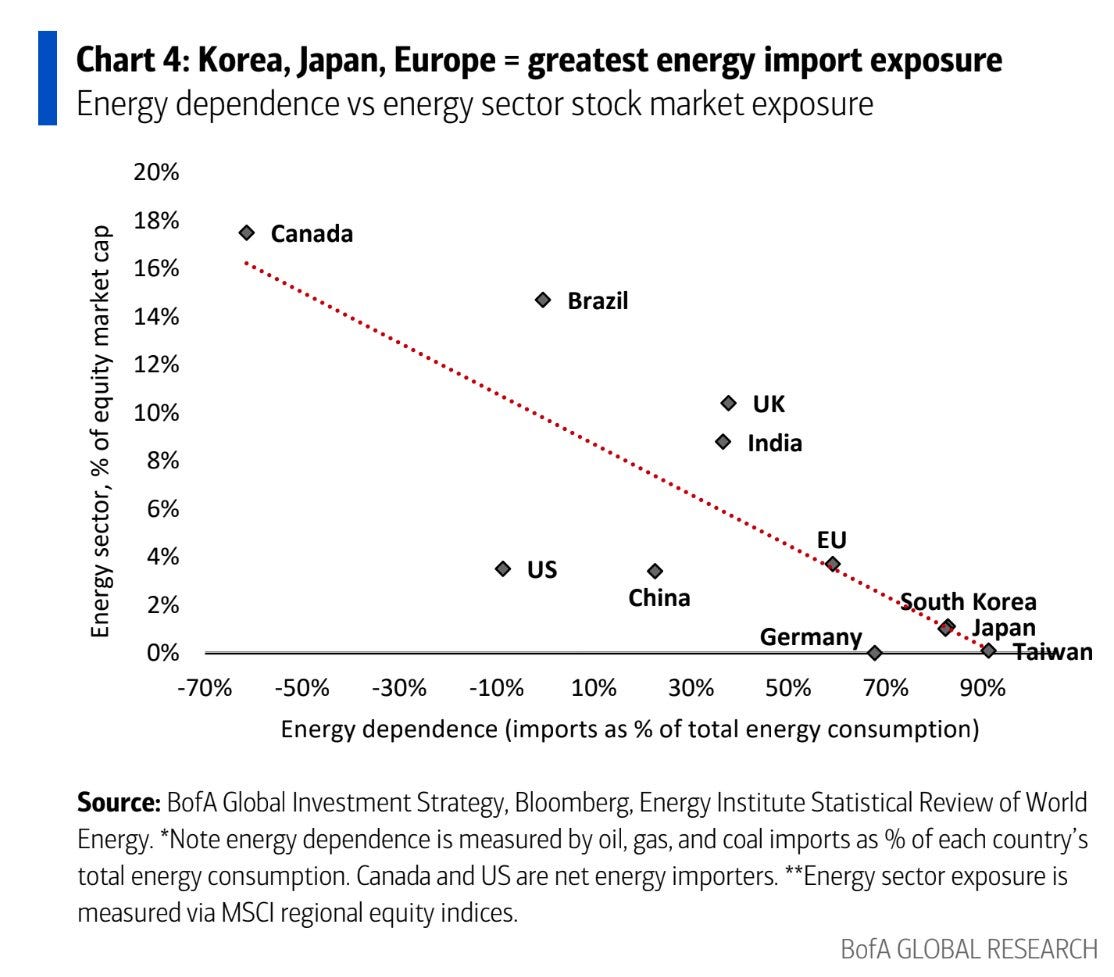
The key consideration is the Strait of Hormuz, a crucial waterway that connects the Persian Gulf to the rest of the world. Approximately 20 million barrels of crude oil, condensate, and petroleum products travel through the Strait of Hormuz daily, representing about 20% of global daily oil consumption. Asia and Europe are most exposed to rising energy prices.
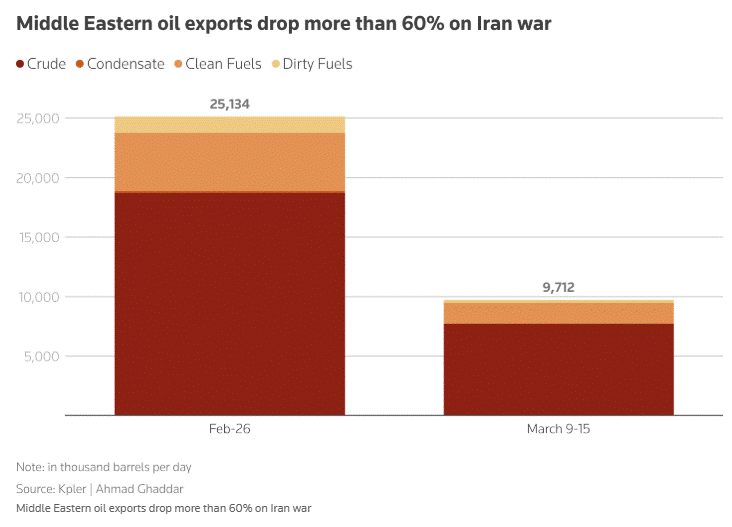
Saudi Arabia, Kuwait, Iraq, and other Middle Eastern countries are actively cutting production. With the Strait of Hormuz restricted, some countries could run out of storage capacity, requiring them to slow production. Current estimates suggest fuel exports from the region are down 60% from just last month.
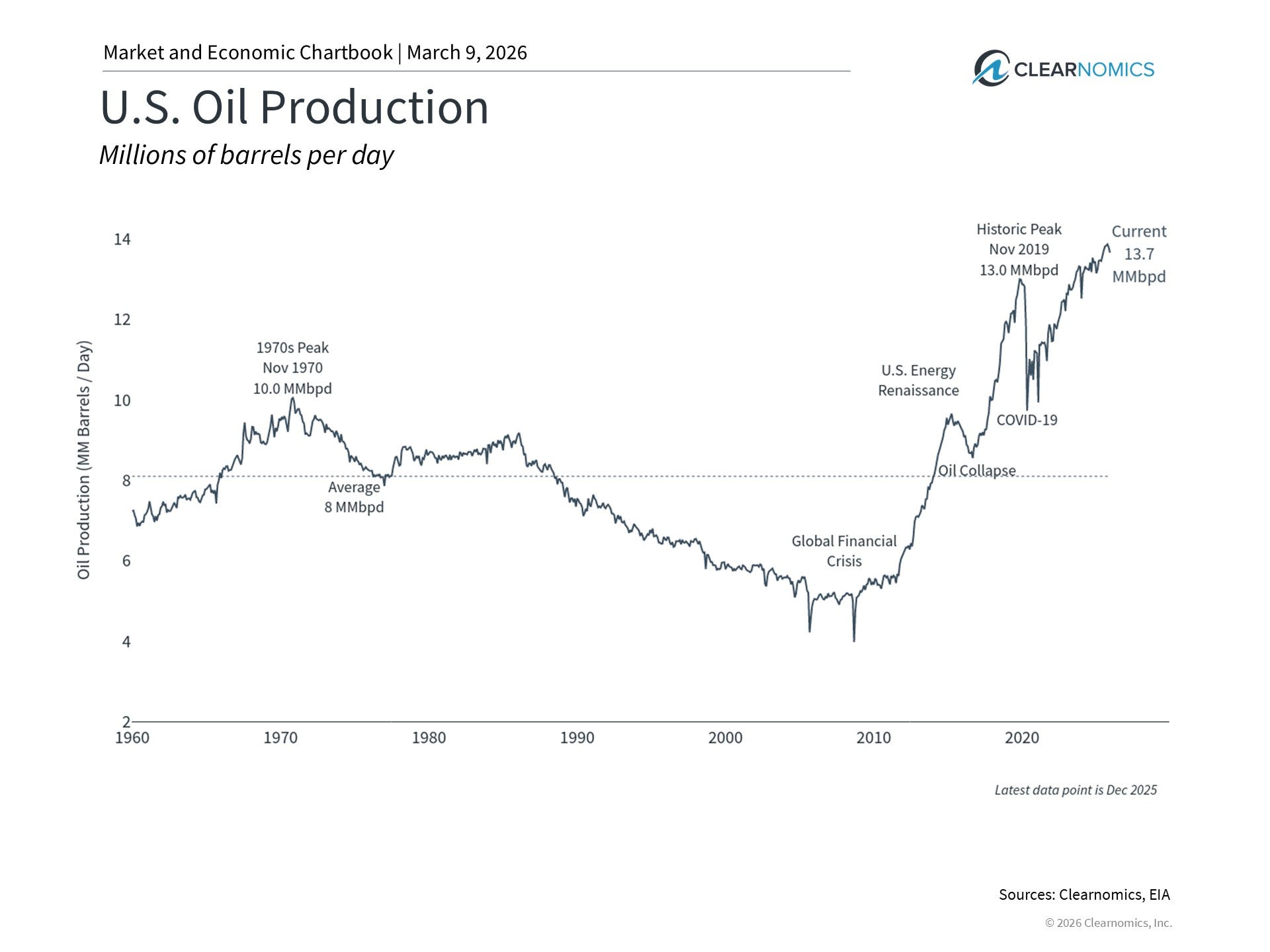
The U.S. is in a stronger position today than during previous oil crises due to the shale revolution. As the world’s largest producer of both oil and natural gas, the U.S. benefits from energy independence that did not exist during other historical oil shocks.
Oil prices that rise significantly can act like an extra tax on households, since driving and buying goods are everyday necessities. Since consumer spending makes up more than two-thirds of U.S. GDP, rising energy costs can squeeze household budgets and slow economic growth if people have less money to spend on other things.
One thing people all hate is higher gasoline prices at the pump.
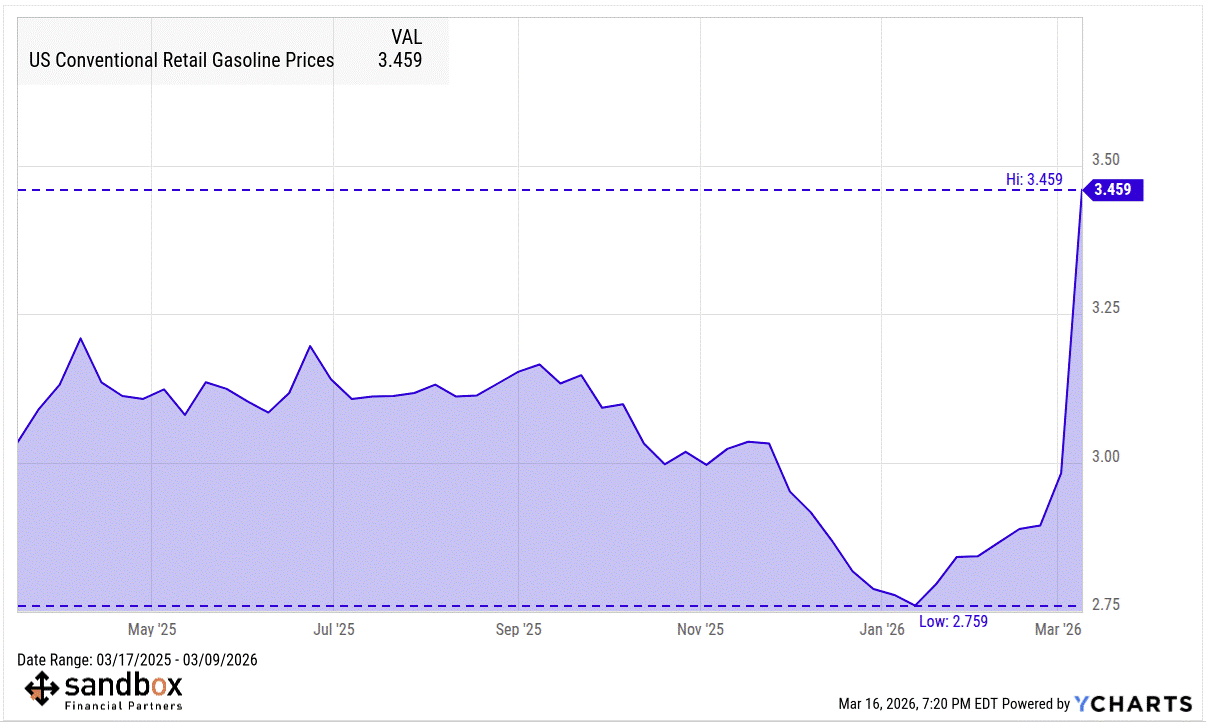
Still, it’s important to maintain perspective. While oil prices have increased roughly 50% recently, they are still well below their peaks in 2022 when Russia invaded Ukraine, so this isn’t unchartered territory. Back then, oil prices jumped to $128 per barrel, far above where they are today, and remained there for some time.
That also occurred when inflation was already a challenge due to the pandemic, compounding the problem further. Today, inflation has been on a declining trend. So, what matters is how long oil prices stay high, which will depend on geopolitical factors that are difficult to predict.
These developments complicate the Federal Reserve’s decision-making process. The Fed must now balance supporting the job market, which has weakened over the past year, while also watching for potential inflation driven by higher energy prices. This is a tricky balancing act, so even more attention will be placed on the incoming Fed Chair.
The Fed makes a policy decision this week on Wednesday, where the chair is expected to announce no cuts at this meeting.
Most importantly for investors, recent history suggests that markets have shown resilience to energy shocks and a spike in oil prices.
Since 1986, there have been 8 prior instances of oil surging 20% or more over a two-day period. In 7 of 8 cases, the S&P 500 index was higher one year later – with an average forward return of roughly 24%.
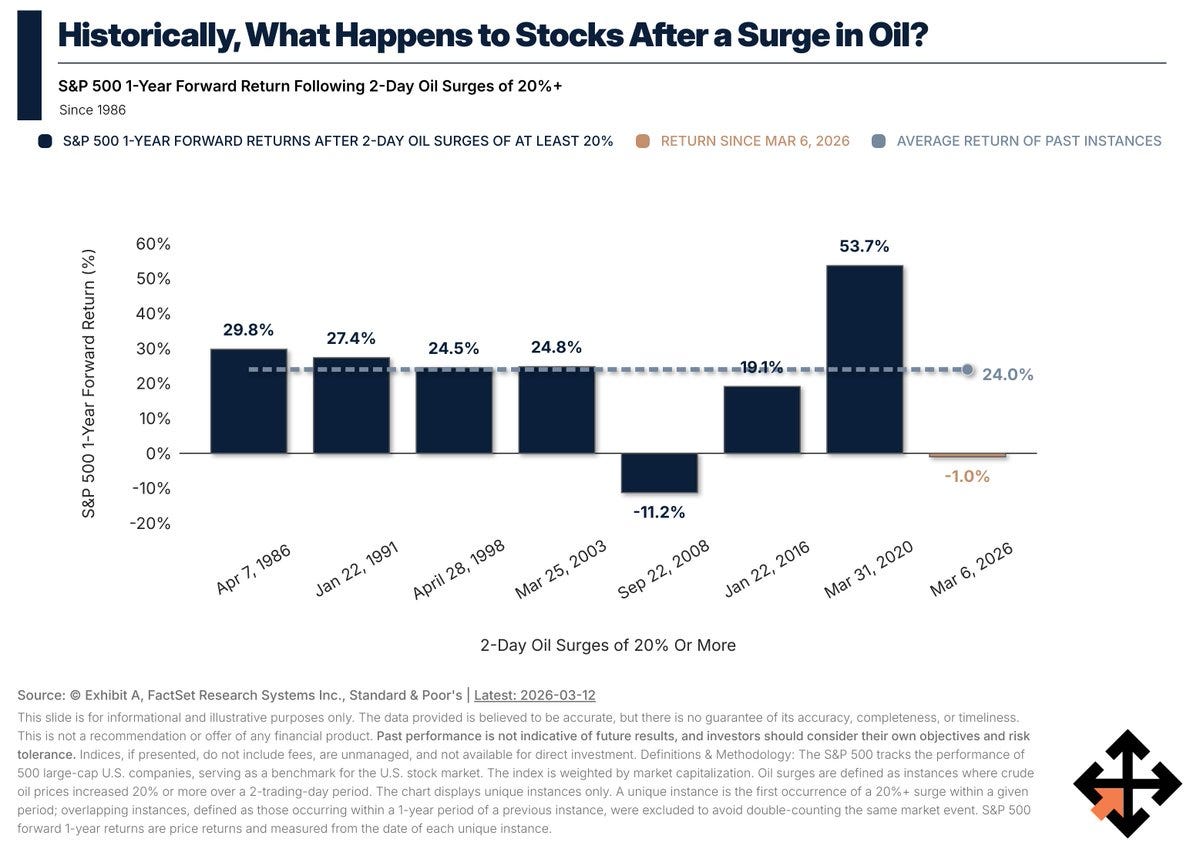
So, while short-term oil price spikes can create economic headwinds and market volatility, history shows that economies adapt over time, and maintaining a long-term perspective is essential to navigating these periods of uncertainty.
Sources: Bank of America Global Research, Reuters, YCharts, Exhibit A
That’s all for today.
Blake
Questions about your financial goals or future?
Connect with a Sandbox financial advisor – our team is here to support you every step of the way!
Welcome to The Sandbox Daily, a daily curation of relevant research at the intersection of markets, economics, and lifestyle. We are committed to delivering high-quality and timely content to help investors make sense of capital markets.
Blake Millard is the Director of Investments at Sandbox Financial Partners, a Registered Investment Advisor. All opinions expressed here are solely his opinion and do not express or reflect the opinion of Sandbox Financial Partners. This Substack channel is for informational purposes only and should not be construed as investment advice. The information and opinions provided within should not be taken as specific advice on the merits of any investment decision by the reader. Investors should conduct their own due diligence regarding the prospects of any security discussed herein based on such investors’ own review of publicly available information. Clients of Sandbox Financial Partners may maintain positions in the markets, indexes, corporations, and/or securities discussed within The Sandbox Daily. Any projections, market outlooks, or estimates stated here are forward looking statements and are inherently unreliable; they are based upon certain assumptions and should not be construed to be indicative of the actual events that will occur.
Please see additional disclosures (click here)
Please see our SEC Registered firm brochure (click here)
Please see our SEC Registered Form CRS (click here)